
Aluminium vs uPVC Window Frames: The Trade Guide
August 18, 2026
When trade installers are asked by their clients for advice about new windows, the conversation inevitably turns to a core choice: aluminium or uPVC frame materials. Recommending the right product requires a clear understanding of how each material performs across aesthetics, longevity, thermal output, and budget to help customers make an informed decision.
Operating from a dedicated manufacturing hub, Dekko Window Systems works alongside builders, architects, and trade installers to supply trade-only high-performance fenestration products that meet rigorous modern demands.
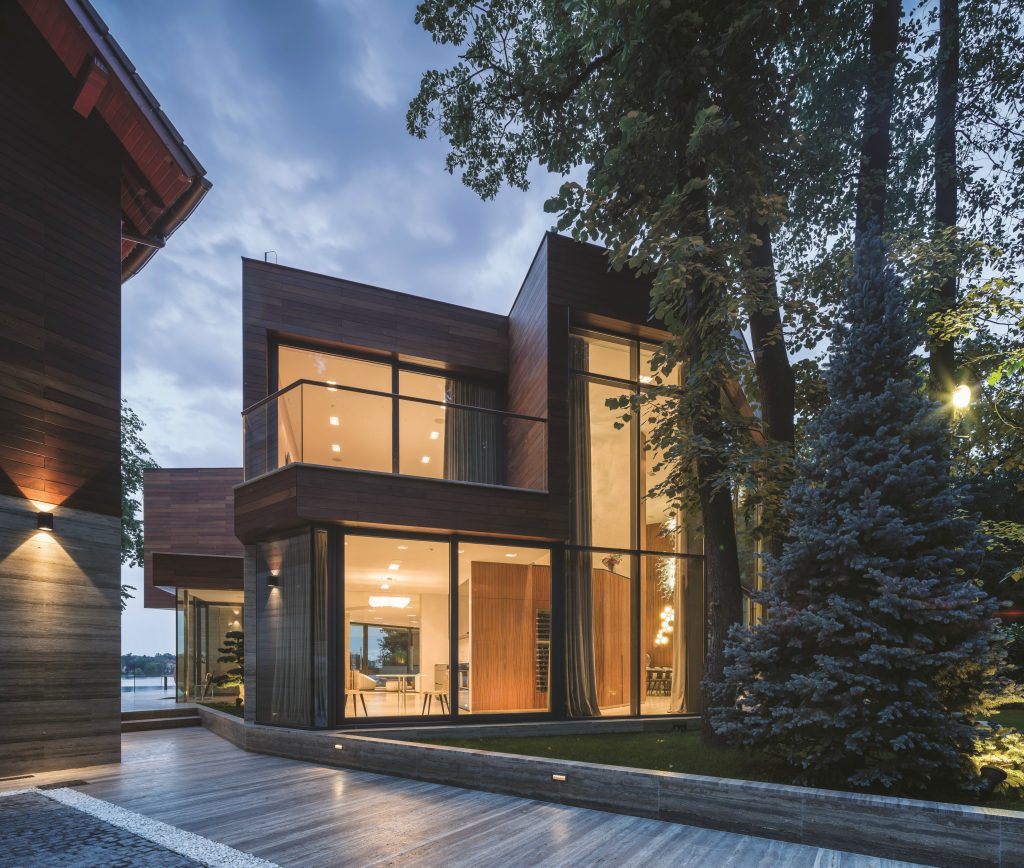
Shaping client perceptions: The visual impact of your window frame
Aesthetics dictate the architectural character of any home improvement project, and the choice between aluminium frames and uPVC frames creates entirely distinct visual results.
- Slimline elegance: Aluminium naturally possesses high structural rigidity, allowing manufacturers to craft exceptionally narrow sightlines. This design makes it a favourite for contemporary renovations, extensions, and heritage steel-look replacements.
- Classic versatility: Traditional uPVC window profiles offer a softer, more classic appearance. While modern fabrication techniques have made uPVC profiles significantly slimmer than their predecessors, they still feature slightly wider frames than their metal counterparts.
- Colour and finish options: Both materials offer extensive customisation. uPVC is available in standard white alongside a wide array of realistic wood grain foils that are excellent for period properties. Meanwhile, aluminium can be powder-coated in virtually any RAL colour, offering textured or metallic finishes that deliver a sleek, modern look.
Thermal performance and energy efficiency: Keeping bills down
With building regulations tightening and energy costs under constant scrutiny, thermal efficiency and heat transfer remain a primary concern for homeowners upgrading their properties and choosing the right window frame material.
- The science of aluminium: Because metal is a natural conductor of heat, early metal windows suffered from high thermal transmittance. Modern aluminium windows solve this through a specialised thermal break – a low-conductivity barrier placed inside the profile to prevent heat loss and significantly boost thermal performance.
- The inherent insulation of uPVC: Polyvinyl chloride is naturally non-conductive, meaning uPVC frames provide fantastic inherent thermal insulation right out of the box, helping to reduce household energy bills effectively.
- Glazing compatibility: Both frame types can be paired with high-performance double glazing or advanced triple glazing configurations. Combining thermally broken aluminium or multi-chambered uPVC with argon-filled low-E glass units allows trade installers to easily meet or exceed current Part L building regulations for energy efficiency.
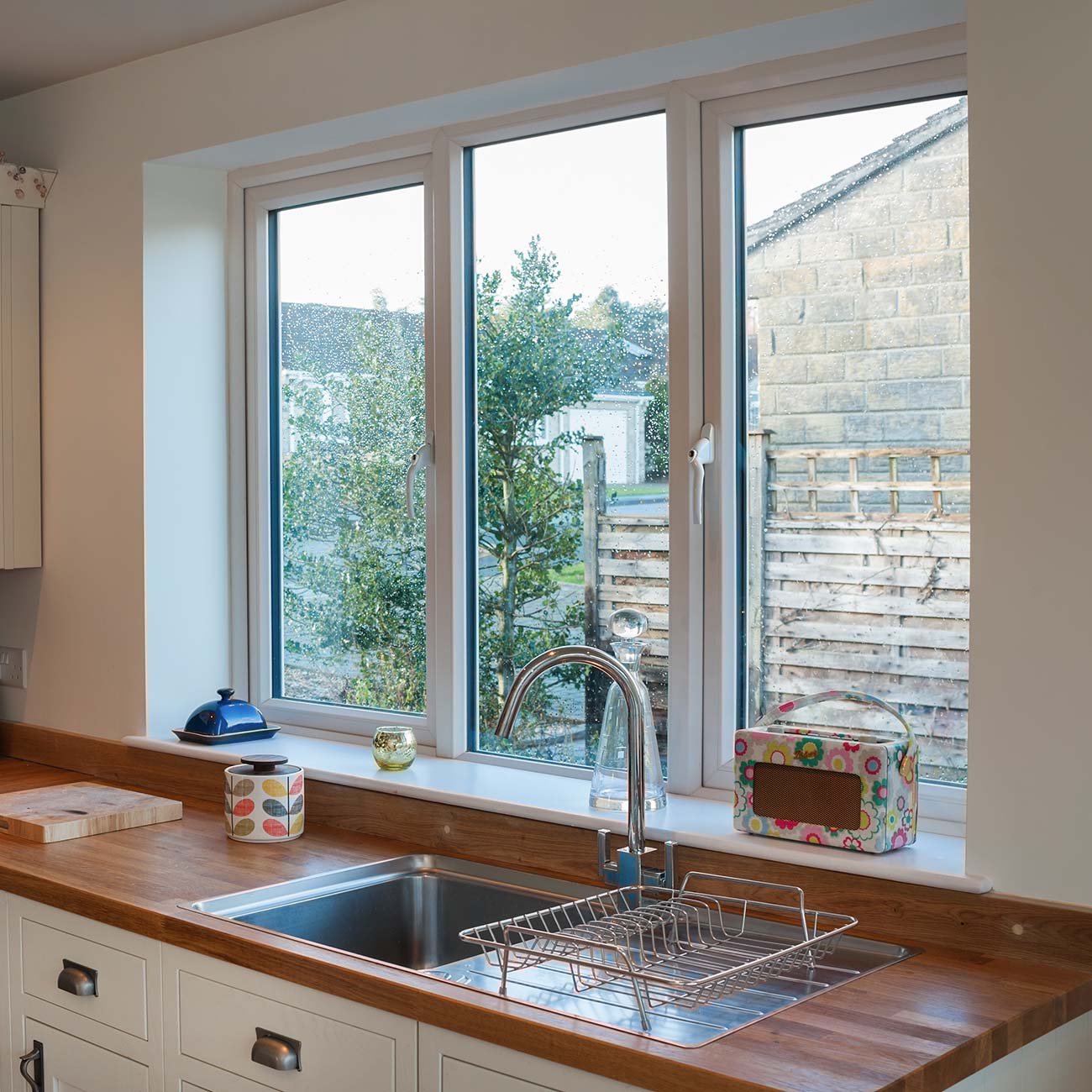
Lifespan, durability, and low maintenance realities
Clients want to know how their investment will hold up against the unpredictable British weather over decades of use.
- Aluminium resilience: Extremely strong and structurally stable, aluminium does not warp, twist, or expand excessively under extreme temperature fluctuations. It offers exceptional longevity with a lifespan often exceeding 40 to 60 years.
- uPVC endurance: High-grade uPVC is remarkably robust, completely resistant to rot, rust, and flaking, making it an enduring choice for residential properties. Modern uPVC windows can offer a lifespan of 20 – 30 years and beyond.
- Cleaning routines: Both options excel in providing low maintenance performance. Homeowners only need to wipe down aluminium frames and uPVC frames periodically using warm soapy water to keep them looking pristine, completely eliminating the need for sanding or repainting.
Cost considerations and project budgeting
Budget is often the deciding factor for end clients looking to create contemporary homes with slim profiles, meaning installers must weigh upfront costs against long-term value.
- Initial investment: Typically, uPVC window systems represent the more budget-friendly option upfront, making them a staple for large-scale housing developments and cost-conscious renovations.
- Long-term value: Aluminium generally commands a higher initial price point due to the advanced engineering involved in extruding and thermally breaking the metal. However, its superior structural lifespan and ability to add significant aesthetic value to high-end properties make it a smart investment for discerning clients.
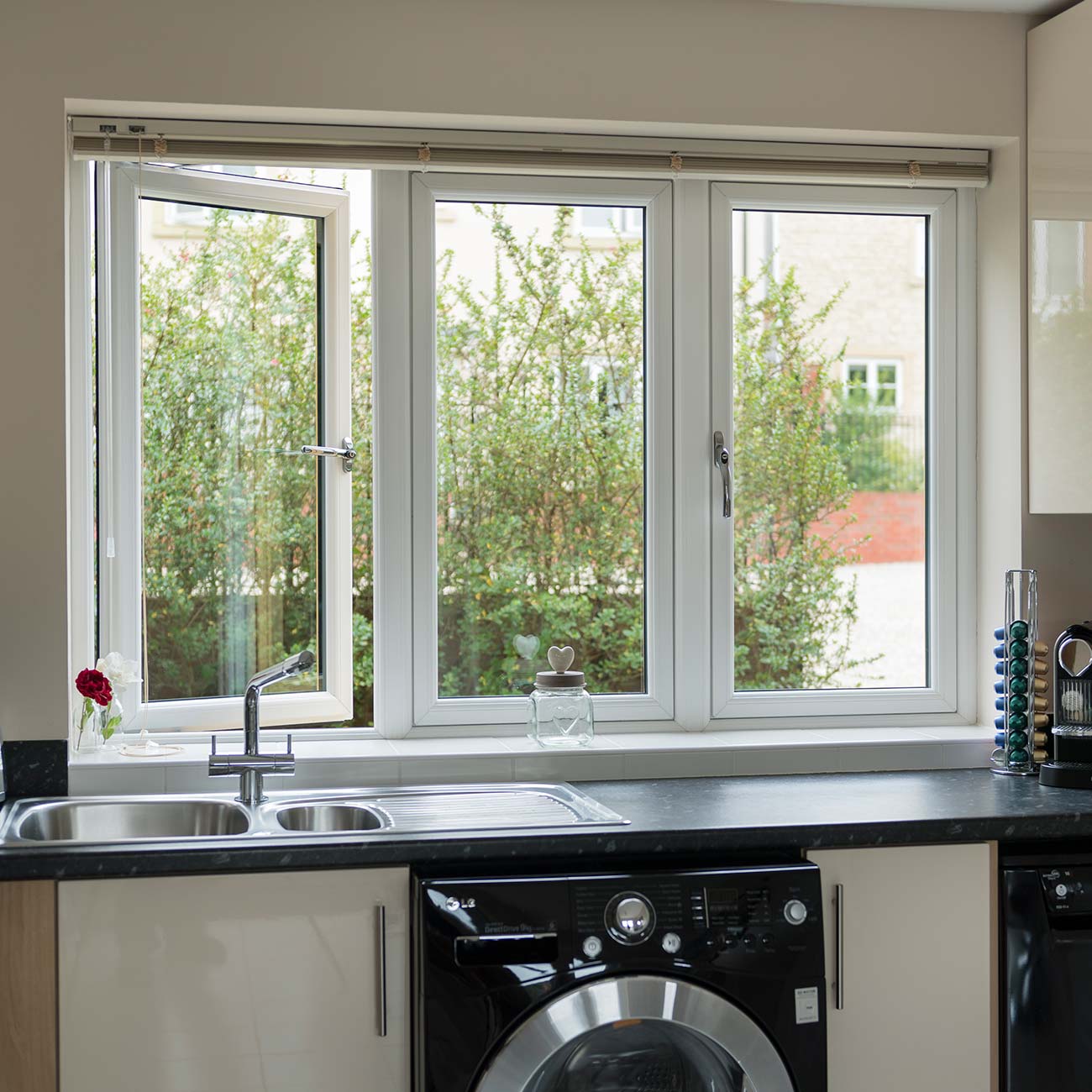
Why Dekko’s aluminium range stands out for trade professionals
Dekko Window Systems manufactures an extensive portfolio tailored specifically to the trade sector. Beyond industry-leading uPVC doors and frames, Dekko supplies premier aluminium systems like the Decalu88 bi-fold range and high-end Reynaers products, which are known for their long lifespan and minimal maintenance requirements. Engineered for rapid installation, stringent security, and elite thermal efficiency, Dekko’s product lines ensure trade installers can tackle any project with reliable support and superior British manufacturing quality.
Get in touch with Dekko Window Systems today
Ready to elevate your upcoming installations with high-performance trade windows and doors? Get in touch with the expert team at Dekko today to discuss your next project specifications.
- Online contact form: Dekko Contact Us
- Telephone: 0161 406 0055
- Email: info@dekkowindows.com












Nationwide delivery in the UK
From our state-of-the-art factory in Lancashire, our products are transported to installers across the UK. We strive to meet all delivery deadlines to ensure our customers are never delayed. They stock an extensive range of PVCu and ancillary products to give installers easy and convenient access to all the necessary hardware.
Contact Us