
A trade guide to compliance: Integrating double glazed window vents
March 16, 2026
Trickle vents are no longer optional extras. Under current building regulations, every installer fitting new replacement windows must address background ventilation. For most projects, that means integrating compliant double glazed window vents into the finished unit.
Part F of the Building Regulations, often referred to as document f, now requires higher levels of background ventilation to protect indoor air quality. Airflow rates for new builds have increased from 5000 EA to 8000 EA in habitable rooms. For the first time, replacement windows must also include trickle ventilators unless a qualifying mechanical system such as MVHR is present.
For installers, this shifts window vents from a design consideration to a regulatory necessity. Understanding sizing, vent types and correct specification protects you from failed inspections, costly remedial work and reputational damage.
At Dekko, we manufacture complete window systems with integrated ventilation options, helping trade partners supply compliant units that arrive ready for installation of trickle vents on site without compromise.

Why are double glazed window vents now mandatory?
As homes become more airtight through improved insulation and double glazing, natural ventilation has reduced. While this improves energy efficiency, it also increases the risk of condensation, mould growth and poor air quality. The updated requirements within document f aim to secure:
- Adequate ventilation in habitable rooms
- A constant airflow of fresh air
- Removal of stale air and airborne pollutants
- Protection against moisture build-up
The standard for background ventilation is measured in Equivalent Area, or EA. In simple terms, this measures the airflow capacity of the ventilator.
If the existing frame contains vents, the new vents must not be smaller than those in the outgoing windows. If old windows had no vents, replacement windows must meet the new 4000mm + 8000mm methodology, while all new replacement windows now require permanent ventilation unless alternative systems are installed
Understanding equivalent area and correct sizing
Two products with identical dimensions can deliver different EA values depending on internal design. For habitable rooms in new builds, the airflow requirement has increased from 5000 EA to 8000 EA. Installers must check:
- Room type and size
- Whether it is a new build or replacement project
- Whether vents existed in the existing frame
- Total EA required per room
Failure to calculate correctly risks under-ventilation and non-compliance with current building regulations.

Surface mounted or in-frame: Which trickle vent is right?
Double glazed window vents typically fall into two categories.
Surface mounted
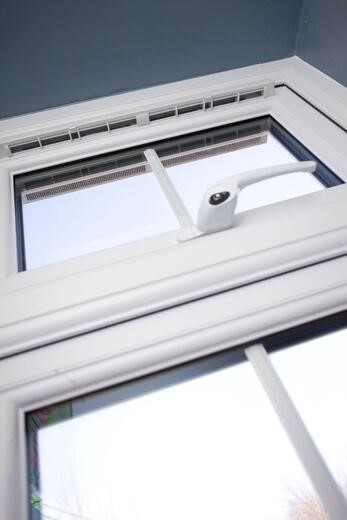
Often referred to as slot vents, these are fitted at the top of the window frame. They are visible externally and internally and are common in upvc windows. Advantages:
- Straightforward installation
- Clear EA ratings
- Suitable for most standard applications
Considerations:
- Visible component affects frame design
- Requires accurate routing and sealing
Glazed-in or in-frame vents
These are integrated within the head of the frame or glazed area just below the top of the window frame. They provide a more discreet appearance. Advantages:
- Cleaner sightlines
- Minimal visual impact on modern window systems
- Suitable for aluminium systems where aesthetics are critical
Both options can incorporate modern trickle vents with acoustic performance for noise reduction in exposed locations.
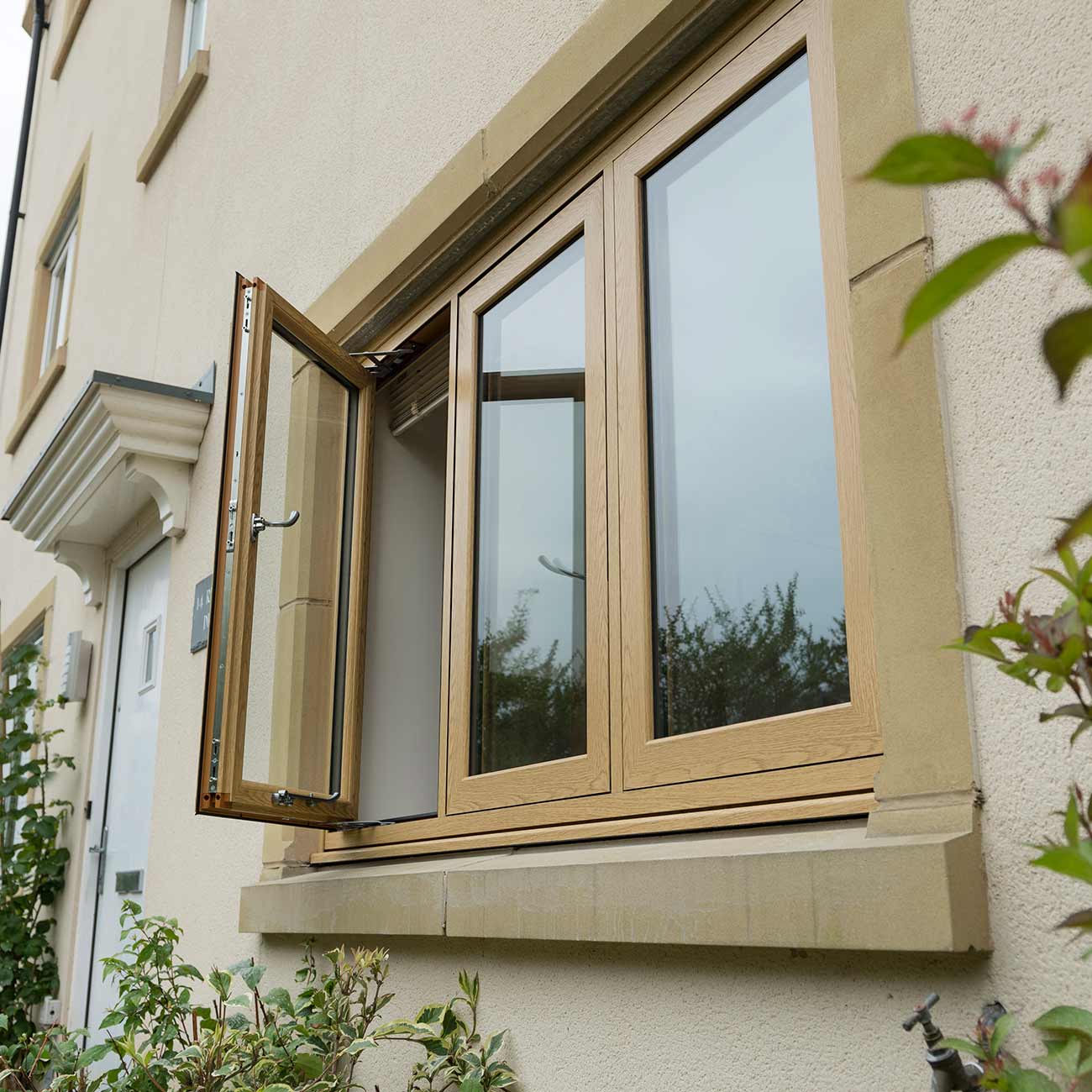
Maintaining thermal performance and energy efficiency
A common concern from homeowners is heat loss. Installers need to explain that properly specified trickle vent systems are designed to provide essential ventilation without significantly compromising thermal performance. Unlike leaving an open window, trickle vents:
- Deliver a controlled flow of fresh air
- Maintain home security
- Limit uncontrolled draughts
- Support energy efficiency targets
Installation of trickle vents
Correct installation of trickle vents is critical to performance and compliance. Best practice includes:
- Positioning vents at the top of the window frame
- Ensuring slots are cleanly machined without compromising structural integrity
- Confirming EA totals per room before installation
- Checking operation after fitting
- Sealing correctly to maintain weather resistance

What about replacement windows in properties with no existing vents?
If old windows did not contain window vents, the new replacement windows must meet current Part F requirements, you cannot omit vents simply because the outgoing frames lacked them. This typically involves adopting the 4000mm + 8000mm methodology depending on room type.
If vents existed previously, the new vents must not be smaller than those removed. Mirroring the original EA is the minimum requirement.
Dekko window systems: Built-in compliance for trade installers
At Dekko, we fabricate complete finished windows incorporating integrated ventilation options across our systems.
Our Infinity upvc windows and Reynaers aluminium systems are designed to accommodate advanced ventilation solutions to meet current building regulations and ventilation requirements without compromising frame design or thermal performance. They include:
- Standard trickle vents for most residential applications, providing essential background ventilation while maintaining the window’s aesthetic appeal.
- Acoustic trickle vents for properties in noise-sensitive areas, offering improved sound reduction without compromising ventilation effectiveness.
- High-performance vents for buildings in exposed locations, offering superior airflow control and enhanced weather protection.
Key takeaways
- Double glazed window vents are mandatory under current building regulations for most replacement projects
- Part F sets minimum Equivalent Area requirements for background ventilation
- Vents must not be smaller than those in the existing frame
- If no previous vents were present, new replacement windows must meet the updated methodology
- Correct sizing is based on EA, not slot length
- Installation quality directly affects compliance and performance
- Dekko supplies compliant, ready-to-install window systems with integrated trickle vents
Contact Dekko now
For trade installers who want compliant window systems speak to Dekko. Our compliant range of ready-to-install windows, including our premium Reynaers aluminium windows and Infinity uPVC windows, are designed to accommodate trickle ventilation seamlessly. Contact our team to discuss our window systems and learn more about our ventilation options. We can help you specify correctly and supply dependable systems built for today’s regulatory environment.
FAQs
Are trickle vents required in all replacement windows?
Yes, unless a qualifying mechanical ventilation system such as MVHR is installed. Under current building. regulations, background ventilation is required.
Will double glazed window vents cause noticeable heat loss?
When correctly specified, trickle vents provide controlled airflow. Heat loss is significantly lower than leaving an open window and thermal performance of the glazing unit remains intact.
Can I match the size of vents from old windows?
You must not fit smaller vents than those removed. If the previous installation had no vents, you must upgrade to meet current Part F requirements.












Nationwide delivery in the UK
From our state-of-the-art factory in Lancashire, our products are transported to installers across the UK. We strive to meet all delivery deadlines to ensure our customers are never delayed. They stock an extensive range of PVCu and ancillary products to give installers easy and convenient access to all the necessary hardware.
Contact Us