
UK trade window and door suppliers: What to look for
July 19, 2026
Choosing between UK trade window and door suppliers shapes every quote you send, every fitting date you promise and every callback you have to make. Get the partnership right and installations run smoothly. Get it wrong and lead time slips, hardware faults and thin technical support end up costing you the job and the customer.
This guide sets out the criteria that matter most when vetting a trade supplier: product range, lead times, pricing structure and technical support.
It also looks at how Dekko Window Systems approaches trade accounts for installers across the country.
Why the right trade partner matters
An installer’s reputation rests on products they didn’t manufacture. A frame that arrives out of tolerance, a hinge that fails within a year or a delivery that misses a booked fitting slot becomes the installer’s problem to solve on site, not the supplier’s.
Building a relationship with a dependable manufacturer removes a large share of that risk before it reaches the customer’s door.

Product range: One call, every job covered
A narrow catalogue forces installers to juggle several suppliers, which multiplies admin, delivery windows and price negotiations. A broad range under one account means uPVC, aluminium and timber options can all be quoted from a single source.
Dekko manufactures uPVC windows, including the Residence Collection favoured for conservation area projects, alongside aluminium windows and timber windows for heritage and new-build work. The doors range spans uPVC, composite and bifold products, so most installers can source a full job specification from one manufacturer.
Lead times: The number that decides your diary
Lead time dictates how far ahead an installer can book customers in. A supplier who quotes four weeks but regularly delivers in six will wreck a fitting schedule and damage trust with homeowners who took a day off work for the appointment.
Ask any prospective supplier for their current lead time on your most-ordered product, not their headline figure, and ask what happens to that promise during a busy quarter or a supply disruption. A trade counter that holds stock of hardware and ancillaries, such as Dekko’s Ashton and Swindon trade counters, also means small parts and repairs don’t have to wait on the main production queue.
Pricing structure: Clarity beats a low headline rate
Trade pricing works best when it is transparent and consistent, not when it depends on how hard an installer negotiates each quarter. Look for:
| What to check | Why it matters |
| Fixed trade price list | Lets you quote customers accurately without margin surprises |
| Volume or loyalty terms | Rewards consistent ordering rather than one-off deals |
| Delivery charges | Should be stated up front, not added at invoice stage |
| Payment terms | Affects cash flow on larger contract jobs |
A supplier who can’t explain their pricing structure clearly in a first conversation is unlikely to become easier to deal with once you’re tied into an account.
Technical support: The difference on a difficult job
Every installer eventually hits a specification that doesn’t fit the standard template: a listed building restriction, an unusual reveal depth or a glazing unit that needs recalculating for U-value compliance. Strong technical support turns that problem into a quick phone call rather than a stalled job.
Dekko’s trade support programme gives Approved Installers access to product knowledge, technical advice and marketing tools, alongside a route to become a Dekko Approved Installer. For installers who also want help promoting the products they fit, the installer marketing support package covers branded sales tools.
Compliance and accreditation
A trade supplier should understand the compliance framework installers work within, including Building Regulations and competent person schemes such as FENSA, which governs the self-certification of replacement windows and doors in England and Wales. A manufacturer who builds products to current U-value and security standards makes it easier for installers to hand over compliant, certifiable work first time.
Building the trade partnership
A trade account works best as an ongoing relationship rather than a one-off order. The strongest partnerships tend to share a few features: a single point of contact for queries, a consistent order history that supports better pricing over time and joint planning around busy seasonal periods such as spring and early autumn.
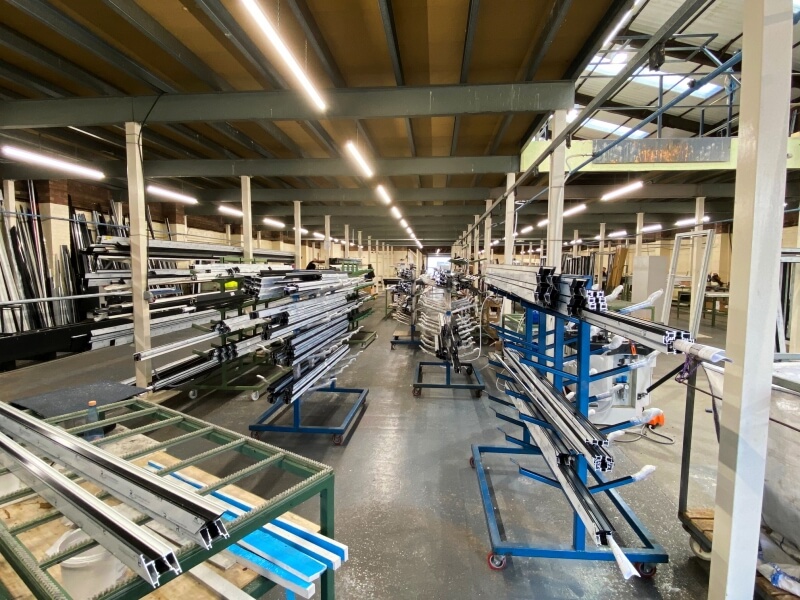
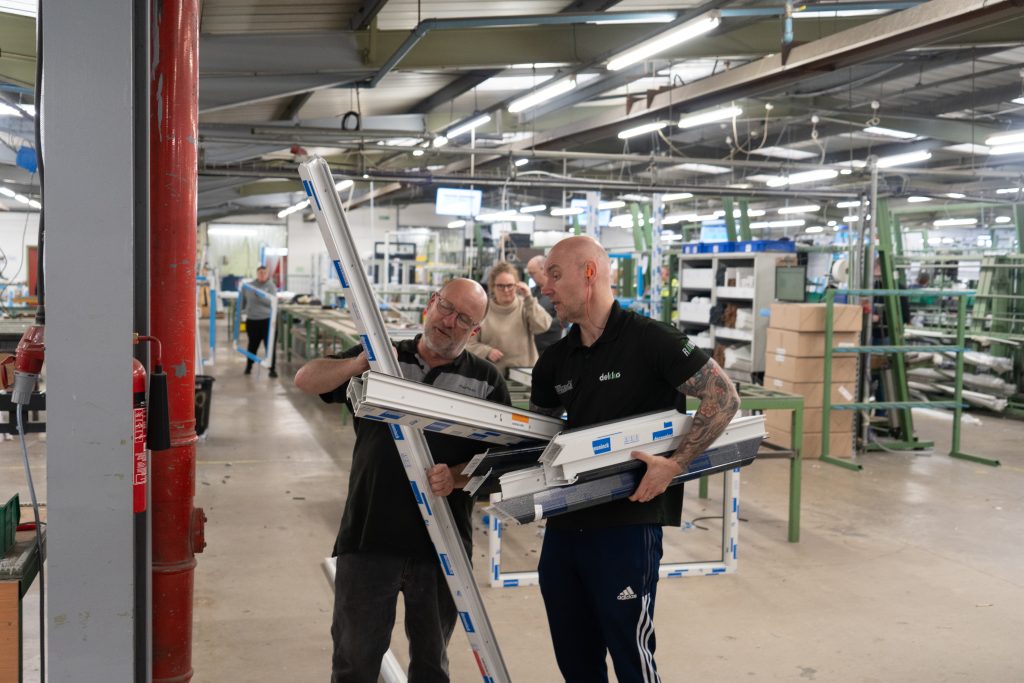
Dekko has supplied trade installers since 2008 from its Lancashire factory, manufacturing its own uPVC, aluminium and timber products so quality control stays in-house from raw profile to finished unit.
Frequently asked questions
What should I check before signing up with a trade window supplier?
Confirm current lead times on your most-ordered products, get the full trade price list in writing and ask how technical queries are handled once you’re an account holder rather than a prospect.
How do trade counters help installers?
A stocked trade counter, such as Dekko’s Ashton and Swindon locations, gives installers same-day access to ancillaries and hardware without waiting on the main manufacturing queue.
Does Dekko manufacture its own products?
Yes. Dekko manufactures its uPVC, aluminium and timber ranges at its own Lancashire factory rather than outsourcing fabrication, which keeps quality control consistent across every order.
How do I become a Dekko Approved Installer?
Installers can apply through Dekko’s Approved Installer page, which sets out the trade account benefits and next steps.
Choosing your supplier
The right UK trade window and door supplier reduces admin, protects your fitting schedule and gives you a technical safety net when a job gets complicated. Compare product range, lead times, pricing clarity and support before committing to an account, and treat the relationship as one that should get easier over time, not harder.
Get in touch with Dekko to discuss a trade account today.












Nationwide delivery in the UK
From our state-of-the-art factory in Lancashire, our products are transported to installers across the UK. We strive to meet all delivery deadlines to ensure our customers are never delayed. They stock an extensive range of PVCu and ancillary products to give installers easy and convenient access to all the necessary hardware.
Contact Us